
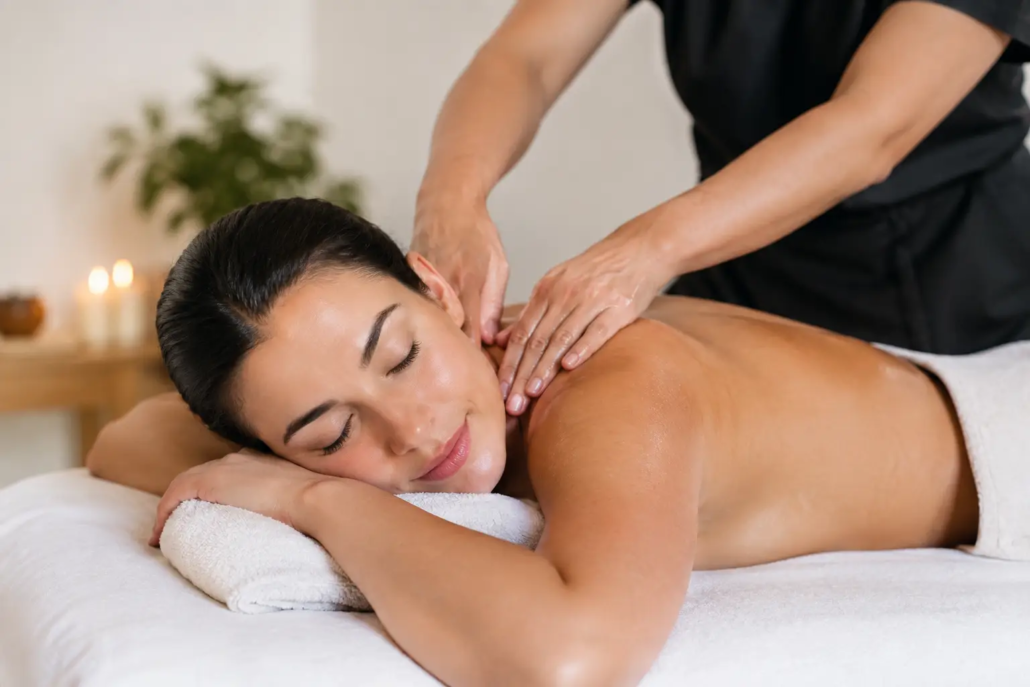
Learn Sensual Massage Techniques With Confidence
A partner who feels truly seen, unhurried and free to change their mind is far more likely to relax into touch. When you learn sensual massage techniques, the most valuable skill is not a complicated stroke. It is the ability to create pleasure without pressure: a calm setting, clear consent, attentive hands and genuine curiosity about what feels good for the person in front of you.
Sensual massage can be an intimate experience for one person or a couple. It may support body confidence, invite desire after a period of disconnection, or simply offer an evening in which touch is not rushed towards a particular outcome. There is no requirement for it to lead to sex, orgasm or any kind of performance. That freedom is often where the seduction of body and mind begins.
Start with consent, not assumptions
Before oil reaches the skin, have a simple, adult conversation. Ask what kind of massage your partner would enjoy, which areas are welcome, and where the boundaries are. Be specific enough to remove uncertainty, but do not turn the moment into an interview. A quiet question such as, “Would you like me to stay with your shoulders, or move lower down your back?” keeps consent alive throughout the experience.
Agree on an easy way to pause or stop. “Slower”, “less pressure”, “not there” and “stop” should all be received warmly and without disappointment. Consent is not a formality completed at the beginning. It is a continuing exchange, shaped by words, breath, body language and changing feelings.
This matters particularly for couples who have fallen into familiar roles. One person may worry about getting it right; the other may feel obliged to respond enthusiastically. A sensual massage works best when both people understand that feedback is a gift, not a criticism. The receiver is allowed to guide. The giver is allowed to learn.
Prepare a space that supports relaxation
You do not need a spa room to make touch feel special, but a little preparation changes the quality of attention. Choose a warm, private room and allow enough time that neither of you is watching the clock. Put phones away. Have towels nearby, use clean sheets, and select an unscented or lightly scented massage oil that feels comfortable on the skin.
Consider practical details. Oil can stain fabrics, so protect bedding or use a washable covering. Avoid strongly perfumed products if your partner has sensitive skin. If either of you has an allergy, irritated skin, an injury, a fever, circulatory concerns or unexplained pain, keep the massage gentle, avoid the affected area and seek appropriate medical advice where needed.
The atmosphere is not about performing romance. Low light, music and warmth can help, but only if they suit you both. For some people, silence and a well-heated room feel more intimate than a playlist designed to signal seduction.
Learn sensual massage techniques through pace
The difference between an ordinary rub and sensual touch is often pace. Begin more slowly than you think you need to. Place your hands softly on the shoulders, upper back or feet and pause for a few breaths. This gives the receiver time to settle and tells their nervous system that they do not need to anticipate what comes next.
Use broad, unbroken strokes with the palms and whole hand. Glide from the shoulders towards the middle of the back, then return with a lighter touch. On the legs and arms, work towards the heart with relaxed, flowing movements. Keep your hands in contact where possible, rather than repeatedly lifting away. Continuity can feel deeply reassuring.
Pressure should be responsive, not fixed. Start light to medium, then ask whether your partner would prefer more, less or simply slower. Muscles may welcome firmer pressure around the upper back or calves, while areas such as the inner arms, sides of the body, abdomen and scalp often respond beautifully to a softer, more exploratory touch.
Variety is useful, but abrupt changes can break the mood. Alternate slow gliding strokes with gentle circles made by the heel of the hand, soft fingertip tracing, or light kneading of fleshy muscles. Let each movement last long enough to be felt. Sensuality lives in anticipation as much as sensation.
Let the whole body be part of the experience
Many people focus too quickly on familiar erogenous zones and miss the pleasure available elsewhere. The neck, ears, hands, feet, lower back, hips and thighs can all hold tension, sensitivity or surprising erotic charge. Exploring the whole body also reduces the sense that massage is a route to a predetermined destination.
Move gradually between regions. If you are massaging the back, spend time around the shoulders and waist before shifting to the hips. If you are working on the legs, begin at the feet or calves and travel slowly. Check in before approaching more intimate areas, even within an established relationship. Familiarity does not replace consent.
Touch can remain sensual without becoming explicitly sexual. For some people, that is exactly what makes it restorative. For others, massage may become part of foreplay. Both are valid when they are mutually wanted, clearly communicated and free from expectation.
Use your attention as skilfully as your hands
A beautiful technique will feel distant if your mind is elsewhere. Notice your own breathing and soften your shoulders, jaw and hands. When the giver is tense, hurried or trying to impress, the receiver often feels it. A grounded presence is more persuasive than theatrical confidence.
Watch for cues without assuming you know what they mean. A deeper breath may suggest relaxation, but it may also mean your partner is processing an unfamiliar sensation. Ask occasionally: “How is this pressure?” or “Would you like more of that?” Then give them time to answer.
Praise can be welcome, especially for someone rebuilding body confidence, but keep it sincere and non-demanding. Comments such as “I love taking my time with you” or “Your body deserves this care” can feel affirming. Avoid remarks that imply they should look, sound or respond in a particular way.
A simple structure for your first practice
If you are new to sensual massage, aim for 30 to 45 minutes rather than attempting an elaborate session. Begin with a few minutes of stillness and connection, then massage the back, shoulders and arms. Move to the hands, legs and feet, allowing a little more time wherever your partner responds warmly. Finish with slow strokes over the back or a quiet hand resting on the shoulder.
Do not try to cover every area. The temptation to keep moving can make a massage feel mechanical. It is better to offer ten attentive minutes on the shoulders and back than forty minutes of distracted touching. Afterwards, share a glass of water, stay close if that feels right, and talk briefly about what each of you enjoyed or would change next time.
For couples, take turns on different evenings. Receiving is a practice in itself, particularly for people who are used to caring for everyone else. It can reveal preferences, boundaries and emotional needs that are harder to name during everyday life.
When professional guidance adds something valuable
A private lesson can be helpful if you feel self-conscious, are navigating a change in desire, or want a more confident understanding of sensual touch and intimate communication. At Intimacy Matters, practical massage education can sit alongside sex and relationship coaching, helping individuals and couples connect touch with body awareness, arousal, emotional safety and their own definitions of pleasure.
This is especially useful when there is a gap between wanting greater intimacy and knowing how to begin. A skilled, consent-led setting offers space to ask direct questions without embarrassment and to develop techniques that suit your body, relationship and boundaries rather than copying a script.
The most memorable sensual massage is rarely the one with the most moves. It is the one in which both people feel safe enough to be honest, relaxed enough to receive, and free enough to enjoy the next touch without needing to predict where it will lead.
