
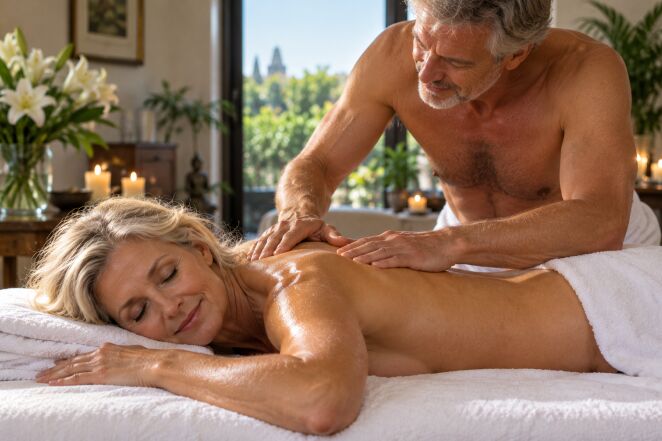
A sensual massage course London adults choose for the right reasons is not about learning a performance or copying a sequence from a video. It is about becoming more present with touch, more confident in communicating desire, and more attuned to the person in front of you. For couples, that can mean bringing warmth and anticipation back into an intimate life that has become overly familiar. For single people, it can be an affirming route towards body confidence, sensual awareness and a more relaxed relationship with pleasure.
Sensual touch deserves the same care, knowledge and respect as any other part of sexual wellbeing. A thoughtfully led course creates space to learn without embarrassment, pressure or assumptions about what intimacy should look like.
What makes sensual massage different?
A relaxing back massage may ease tired muscles, but sensual massage works with the whole experience of connection. It considers atmosphere, pacing, breath, attention, arousal, trust and the subtle language of the body. The aim is not to rush towards a particular sexual outcome. It is to make room for pleasure without pressure.
This distinction matters, especially for people who have begun to associate intimacy with obligation, anxiety or a familiar script. When touch is slow, intentional and consensual, it can help partners step out of their heads and into their bodies. A hand resting with warmth and confidence can communicate safety. A change in pace can create anticipation. A simple question, asked at the right moment, can deepen trust.
The art lies in responding rather than performing. Every body has different preferences, sensitivities and boundaries. A good course teaches principles and practical skills, then encourages you to adapt them with curiosity and care.
Who can benefit from a sensual massage course in London?
Courses are often sought by couples, but they are not only for couples who feel something is wrong. Many partners are affectionate, attracted to one another and emotionally close, yet want fresh ways to create time for sensuality. Learning together can turn an ordinary evening into an experience with more intention and playfulness.
It can also be valuable when desire has changed. Stress, parenting, menopause, ageing, illness, medication, body-image worries and years of routine can all affect how easily we access pleasure. Massage cannot solve every emotional or medical concern, and it should never be presented as a cure. It can, however, offer a gentler starting point when penetrative sex or orgasm has begun to feel loaded with expectation.
Single women and men may choose training because they want to understand sensual touch before sharing it with a future partner, or because they want greater ease receiving touch themselves. People exploring same-sex or bisexual intimacy may appreciate a setting where assumptions about gender roles and desire are left at the door. The most useful teaching is inclusive, adult and shaped around personal agency.
What you should learn in a sensual massage course London
The strongest courses combine practical technique with communication and psychological awareness. Beautiful oils and a candlelit room may set a mood, but neither replaces skill. You should come away understanding how to offer touch that feels considered rather than tentative or mechanical.
Consent that remains part of the experience
Consent is not a formal conversation that happens once at the beginning and is then forgotten. It is ongoing attention to verbal responses, breath, posture, stillness and enthusiasm. A course should show you how to ask clear, natural questions without breaking the mood, and how to hear an answer without taking it personally.
That includes understanding that a change of mind is always welcome. A person may enjoy shoulder massage but not want touch elsewhere. They may want more pressure, less pressure, slower strokes or simply a pause. Respecting these preferences is not an interruption to sensuality. It is what makes genuine surrender and relaxation possible.
Touch, rhythm and body awareness
Technique begins with the quality of your hands. You may learn how to use palms, fingers, forearms and the heel of the hand; how to vary pressure; and how to avoid repetitive movements that become uncomfortable for the giver or receiver. Good body mechanics matter. If the giver is straining, rushing or losing focus, the recipient will usually feel it.
Pacing is equally important. Many inexperienced partners move too quickly, treating massage as a brief prelude to something else. Slower touch gives the nervous system time to settle and allows arousal to build in its own way. The back, neck, scalp, hips, legs, feet and hands can all be deeply responsive when they are approached with attention rather than assumption.
A professional course may also explain the physiology of arousal: why relaxation can support receptivity, why tension can make touch feel overwhelming, and why arousal does not always follow a straight line. This knowledge helps remove the damaging idea that every sensual encounter must end in the same place.
Creating an atmosphere of care
The room matters, but it need not be elaborate. Warmth, privacy, clean linens, suitable oil, towels and enough time to avoid clock-watching make a significant difference. So does discussing practical comfort beforehand, including allergies, injuries, areas to avoid and whether a person would rather talk, listen to music or enjoy quiet.
Atmosphere is also emotional. The seduction of body and mind begins long before hands meet skin. Feeling seen, unhurried and free from judgement allows people to soften. For long-term couples, that may mean agreeing that the massage is the entire purpose of the evening, with no unspoken expectation of sex afterwards.
Choosing the right course and teacher
London offers many wellness workshops, yet sensual massage training varies considerably. Some sessions are little more than a generic massage lesson with suggestive branding. Others focus heavily on erotic theatre while giving scant attention to boundaries, communication or emotional safety. Neither will suit everyone.
Look for an experienced practitioner who is clear about the format, who the course is for and what is, and is not, included. Adults should know whether a session is private or group-based, whether they attend alone or with a partner, how much practical participation is involved, and what privacy standards apply. Clear information is a mark of professionalism, not a lack of sensuality.
It is also reasonable to ask about the teacher’s background. Training in massage, sexual wellbeing, counselling, coaching or psychosensual practice can bring useful depth, particularly when clients are navigating confidence concerns, relationship distance or changing desire. At the Intimacy Matters – School of Sensual Massage, sensual education is informed by practical touch skills as well as an understanding of sexual psychology, communication and individual differences.
The right choice depends on your aim. A couple wanting a private, confidence-building introduction may prefer tailored tuition. Experienced partners may want more advanced work around ritual, anticipation and mutual massage. If there is unresolved resentment, pain during sex, trauma, coercion or a serious mismatch in desire, a therapeutic conversation may be a wiser first step than a hands-on course alone.
Taking the learning home
A course has real value when it changes what happens after the session. Rather than attempting a long, elaborate massage immediately, begin with twenty unhurried minutes at home. Agree who is giving and who is receiving, and let the receiver guide the pace. Swap roles on another evening rather than treating reciprocity as a transaction.
Keep the conversation simple. Ask what felt especially good, what they would like more or less of next time, and whether anything felt uncertain. This can be surprisingly intimate for couples who are used to guessing. It builds a shared vocabulary for pleasure, which often carries into sex, affection and everyday closeness.
There will be imperfect moments. Oil may spill, a hand position may feel awkward, or one of you may struggle to relax after a demanding week. None of that means you have failed. Sensual confidence grows through kindness, practice and the freedom to adjust.
The most meaningful sensual massage is not the one that looks impressive. It is the one in which both people feel respected, desired and able to be fully present. Give yourselves the time to learn that language, then allow it to become your own.
View the various courses available at the Intimacy Matters – School of Sensual Massage
