

Sensual Massage – A Missing Ingredient in Our Health and Well-being
Why intimate touch should be regarded as a fundamental human need rather than simply a sexual indulgence
By Colin Richards – Sex & Intimacy Engineer, Founder of Intimacy Matters and the School of Sensual Massage
We are encouraged to exercise regularly, eat healthily, visit the dentist, look after our mental health and occasionally treat ourselves to a therapeutic massage. Yet one of the most fundamental aspects of our human well-being is rarely included in our health regime – the need to experience affectionate, sensual and intimate human touch.
Why is it that we readily accept the importance of looking after our physical and mental health, yet often regard looking after our sensual and sexual well-being as something indulgent, embarrassing or even socially inappropriate?
Having spent over two decades working with thousands of women, men and couples, exploring the complexities of human sexuality, intimacy, relationships and arousal, I have become increasingly aware of just how touch-deprived many people are.
I believe sensual massage should be recognised as a valuable part of maintaining our sexual, mental, emotional and physical well-being. It should not automatically be categorised as a sex service simply because it acknowledges and embraces our natural capacity for sexual arousal and pleasure.
A Society Increasingly Deprived of Human Touch
The arrival of the personal computer in the late 1970s, the widespread adoption of the internet during the 1990s and the introduction of the iPhone in 2007 fundamentally changed the way we interact with one another.
Technology has undoubtedly enriched our lives in many respects, but it has also gradually replaced a considerable amount of face-to-face human interaction.
We communicate through messages, conduct meetings through screens, establish relationships through dating apps and increasingly entertain ourselves in isolation. We can be in constant communication with hundreds of people yet go for days, weeks or even months without experiencing meaningful, affectionate human touch.
The COVID pandemic of 2020 highlighted the consequences of this isolation. Suddenly, shaking hands, embracing friends, hugging family members and being physically close to others became activities we were actively discouraged from doing.
Psychologists increasingly refer to an epidemic of loneliness. Research has associated chronic loneliness and social isolation with increased stress, anxiety, depression, impaired immune function, cardiovascular disease and cognitive decline.
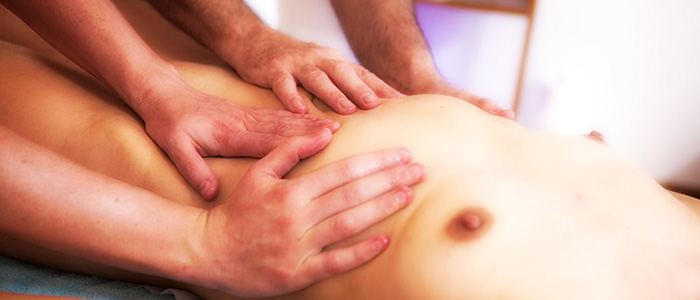
However, loneliness is only one aspect of the problem. There is another, less frequently discussed phenomenon that I regularly encounter within my practice – touch starvation.
It is entirely possible to be married, in a long-term relationship, surrounded by friends or working in a busy environment and still be deprived of meaningful, affectionate and sensual touch.
Why Do We Have Such a Fundamental Need to Be Touched?
Touch is one of our earliest forms of communication. Long before we develop the ability to speak, we experience the world through physical contact.
A baby being held by its mother or father experiences warmth, reassurance, security and connection. Affectionate touch helps establish the foundations of attachment, trust and emotional development.
This need does not simply disappear when we become adults.
From an evolutionary perspective, physical contact has played an important role in human bonding, nurturing, cooperation, reproduction and survival. Our social environment may have changed dramatically, but many of our underlying biological and emotional needs remain remarkably similar.

A reassuring hand on the shoulder, a comforting embrace, someone stroking our hair or the experience of being held can communicate emotions that words alone cannot adequately express.
Touch is a language in its own right.
When we experience gentle, affectionate touch, specialised sensory receptors in our skin communicate with our central nervous system. Among these are C-tactile afferents, nerve fibres particularly responsive to gentle, pleasurable stroking.
When touch is welcomed and experienced within an environment of trust and safety, it can influence the autonomic nervous system and the neurochemical processes associated with pleasure, relaxation and emotional bonding.
These include:
- Oxytocin – associated with bonding, attachment, trust and emotional closeness.
- Dopamine – involved in motivation, reward, anticipation and pleasure.
- Endorphins – the body’s naturally occurring compounds associated with pain modulation and feelings of well-being.
- Cortisol – the stress hormone, which may be reduced through relaxing and reassuring physical contact.
Our response to touch is not simply physical. It is neurological, psychological, emotional and, in the appropriate circumstances, sexual.

What Does the Scientific Research Tell Us?
In 2024, a substantial systematic review and meta-analysis led by Julian Packheiser and colleagues, published in Nature Human Behaviour, examined touch-based interventions involving nearly 13,000 participants.
The research brought together decades of studies investigating the effects of massage, affectionate touch and other forms of physical contact on human health.
The findings identified significant potential benefits, including:
- Reduced anxiety and symptoms of depression.
- Reduced physical pain and discomfort.
- Improvements in emotional well-being.
- Reductions in stress and cortisol levels.
- Beneficial effects on blood pressure.
- Improvements in weight gain among newborn infants receiving touch interventions.
- Benefits for people living with existing physical and mental health conditions.
Other research into affectionate touch and massage has explored its potential to reduce agitation in people living with dementia, improve mood among those experiencing chronic illness and support relaxation and recovery following physical exertion.
Interestingly, beneficial touch does not necessarily have to come from a romantic partner. Professional massage, affectionate contact with friends and family, and even interaction with animals can contribute to our sense of well-being.
Although our sensitivity to touch can change as we age, our emotional need for affectionate physical contact does not necessarily diminish.
For older people, particularly those who have lost a partner, the absence of intimate touch can become one of the most significant and least acknowledged aspects of bereavement and loneliness.
Whilst much of this research relates to therapeutic massage and affectionate touch rather than specifically erotic massage, it provides a compelling foundation for considering the wider contribution that sensual touch may make to our well-being.

What Exactly Is Sensual Massage?
Sensual massage combines elements of traditional therapeutic massage with a more intimate, sensory and psychologically engaging approach to touch.
Where conventional massage is generally concerned with muscular tension, physical discomfort and relaxation, sensual massage additionally acknowledges our capacity to experience sensuality, intimacy, emotional connection and sexual arousal.
It engages both the body and the mind.
My approach at Intimacy Matters draws upon my understanding of sexual psychology, physiology, relationship dynamics, attachment, sensory awareness and the natural, primal processes of human arousal.
Each person’s relationship with touch is different. Our upbringing, previous relationships, sexual experiences, body confidence, emotional circumstances and personal desires all influence how we respond to being touched.
Consequently, I do not believe sensual massage should be delivered simply as a predetermined physical routine. It should be a personalised experience, taking into consideration the individual’s motivations, sensitivities, preferences, desires and boundaries.

For some, it is an opportunity to escape the pressures of everyday life. For others, it is about rediscovering their sexuality, experiencing affectionate touch, developing confidence or exploring aspects of themselves they have never previously felt comfortable acknowledging.
It is an opportunity to be physically and emotionally present without the expectation of having to perform, impress or satisfy another person.
Is Sensual Massage Erotic or Sexual?
Yes, sensual massage can be erotic, and it can incorporate sexual arousal and orgasm.
I make no apology for acknowledging this.
Sexual arousal is a perfectly natural physiological and psychological response. It is part of our human biology and should not automatically be associated with shame, embarrassment or inappropriate behaviour.
However, there is an important distinction between acknowledging someone’s sexuality and defining an entire experience solely by its sexual content.
The presence of sexual arousal does not negate the emotional, psychological or physical benefits of an experience.
Nor should orgasm necessarily be regarded as the objective of sensual massage. Pleasure, relaxation, emotional release, body awareness and the experience of being accepted without judgement can be equally meaningful.
The defining characteristics of a responsible professional sensual massage should be its purpose, integrity, agreed boundaries, informed consent and the quality of the experience provided.

Why Sensual Massage Should Not Simply Be Regarded as a Sex Service
One of the greatest challenges facing sensual massage is society’s tendency to categorise almost anything involving sexual pleasure within the same commercial sexual framework.
This, in my opinion, reflects our often confused relationship with sexuality.
We readily acknowledge the importance of sexual health, yet frequently struggle to accept sexual pleasure as a legitimate aspect of well-being in its own right.
Sexual well-being is not simply about avoiding sexually transmitted infections, preventing unwanted pregnancies or addressing sexual dysfunction. It is also about understanding our bodies, feeling comfortable with our sexuality, experiencing pleasure and developing healthy intimate relationships.
I regard professionally practised sensual massage as a form of intimate bodywork and communication, with potential benefits extending considerably beyond sexual gratification.
Its value can lie in helping someone develop a healthier relationship with their body, rediscover their capacity for pleasure, reduce performance-related anxiety or simply experience a degree of physical affection that may be missing from their life.
Of course, professional standards, transparency, consent and appropriate boundaries are essential. The description of a service must also accurately reflect what it involves.
My argument is not that sensual massage is devoid of sexuality, but that sexuality itself should not prevent an experience from being recognised as contributing to human well-being.
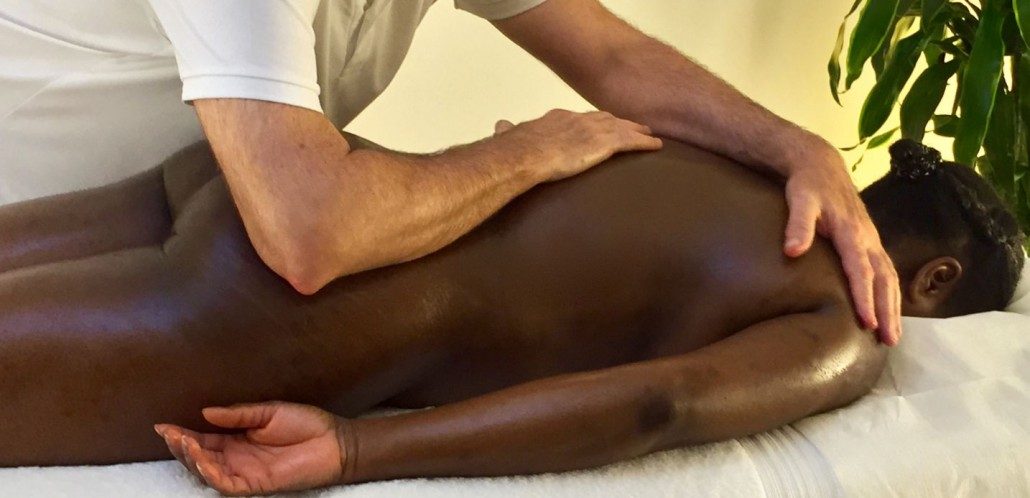
The Four Dimensions of Sensual Well-being
I believe sensual massage can contribute to four interconnected aspects of our health.
1. Mental Well-being
Many of us spend our lives in a state of mental overstimulation. We are constantly thinking, planning, worrying, responding to messages and dealing with responsibilities.
Sensual massage offers an opportunity to temporarily disengage from this mental activity and become more aware of physical sensation.
For someone experiencing everyday stress, anxiety or mental fatigue, the opportunity to receive reassuring, attentive touch without expectation can be profoundly relaxing.
It encourages us to exist in the present rather than continually occupying ourselves with the past or the future.
2. Emotional Well-being
Being touched in a caring, respectful and non-judgemental manner can evoke feelings of acceptance, reassurance and connection.
Many people carry insecurities about their appearance, age, desirability or sexual responsiveness. Some have experienced rejection, relationship breakdown, bereavement or years of emotional neglect.
Sensual massage can provide an environment in which someone feels valued and accepted without having to justify their needs or conform to another person’s expectations.
The emotional experience can sometimes be as significant as the physical pleasure.

3. Physical Well-being
Sensual massage incorporates many of the relaxing qualities associated with conventional therapeutic massage.
Potential benefits include reduced muscular tension, improved relaxation, temporary relief from discomfort, improved body awareness and a greater sense of physical ease.
Pleasurable touch and sexual arousal can also produce temporary physiological changes involving circulation, heart rate and neurochemical activity.
Although sensual massage should not be presented as a cure for medical conditions or a substitute for exercise, medical treatment or psychological therapy, it can complement a balanced approach to looking after ourselves.
4. Sexual Well-being
Sexual well-being is perhaps the most overlooked aspect of our general health.
Many people experience sexual frustrations, difficulties with arousal, reduced libido, performance anxiety, orgasm difficulties or uncertainty about their sexual desires.
Others are perfectly content with their sexuality but would like to explore its wider possibilities.
Sensual massage provides an opportunity to become more familiar with one’s own physical and emotional responses without the pressures that can accompany conventional sexual relationships.
It can encourage greater self-awareness, sexual confidence, communication and acceptance of one’s individual capacity for pleasure.

Sensual Massage for Women – The Fourth Option
Throughout my years of working with women, I have become increasingly aware of how limited their perceived options can be when it comes to experiencing intimate touch and sexual pleasure.
Traditionally, a woman seeking sexual intimacy may feel she has three principal options: intimacy within an existing relationship, finding a new sexual partner or experiencing pleasure through self-stimulation.
I believe there is a fourth option – receiving a professionally provided sensual massage within a safe, confidential, respectful and non-judgemental environment.
For many women, the attraction is not simply the opportunity to experience physical pleasure. It is the freedom to receive without feeling obliged to reciprocate.
There is no requirement to please a partner, manage another person’s expectations or worry about whether one’s body is sufficiently attractive or sexually responsive.
Women experiencing difficulties reaching orgasm, uncertainty about their sexuality, reduced body confidence or changes in their sexual responses following menopause may find such an experience helpful in understanding themselves.

Equally, a woman does not need to have a sexual problem to justify receiving a sensual massage.
She may simply enjoy being touched, experiencing pleasure, exploring her sensuality and dedicating some time entirely to herself.
Why should that be considered any less legitimate than visiting a spa, receiving a therapeutic massage or participating in another activity that enhances her sense of well-being?
Read more about Sensual Massage for Women – The Fourth Option.
Sensual Massage for Men – Removing the Pressure to Perform
Men are also frequently deprived of affectionate and intimate touch, although they may be less inclined to acknowledge it.
From an early age, many men are encouraged to associate masculinity with emotional independence, strength, sexual confidence and performance.
Consequently, their experience of intimacy can become disproportionately focused on erections, intercourse, orgasm and their ability to satisfy a partner.
I regularly encounter men who have become so concerned about their sexual performance that they have almost forgotten how to experience sensual pleasure without expectation.

Sensual massage can offer an opportunity to temporarily remove these pressures.
For men experiencing performance anxiety, changes in erectile responsiveness, reduced sexual confidence or uncertainty about their sexuality, it can provide a different perspective on intimacy and pleasure.
It can also help men recognise that their need for affectionate touch, reassurance, emotional connection and physical intimacy is every bit as legitimate as that of women.
Men do not always want sex. Sometimes what they are seeking is the experience of being touched, cared for, accepted and allowed to be vulnerable.
Sensual Massage for Couples – Rediscovering the Art of Intimacy
One of the most common observations I make when working with couples is that their sexual relationship has gradually become predictable, functional or goal-orientated.
Touch becomes associated with initiating sex. Kissing becomes a precursor to intercourse. Intimacy becomes something that has a beginning, a predetermined objective and an end.
I have never particularly liked the word foreplay because it implies that everything that happens before intercourse is merely preparation for the main event.
I much prefer the term loveplay.
Affectionate, sensual and erotic touch can be an experience in its own right, rather than simply a means of progressing towards intercourse.
Many couples would benefit from rediscovering the pleasure of spending time together physically without an expectation of what must happen next.
Gentle massage of the scalp, face, shoulders, back, hands or feet can become a wonderful form of intimate communication.
In my experience, many women particularly appreciate the opportunity to experience unhurried affectionate touch, allowing sufficient time for their minds and bodies to become receptive to intimacy. However, individual preferences vary considerably, regardless of gender.
Learning how to give a sensual massage can help couples develop:
- Greater awareness of each other’s physical and emotional responses.
- Improved communication about pleasure, desires and boundaries.
- Increased confidence in giving and receiving intimate touch.
- A greater appreciation of anticipation and sensory pleasure.
- A less performance-orientated approach to their sexual relationship.
- Renewed affection, curiosity and intimacy.
Through the School of Sensual Massage, I teach individuals and couples how to develop these skills through practical, face-to-face training.
Learning how to touch another person with sensitivity, awareness and attentiveness is one of the most valuable intimate skills we can acquire.

Sensual Massage and Tantric Massage – Understanding the Difference
Sensual massage and tantric massage are frequently assumed to be the same thing.
Whilst they can share certain characteristics, including relaxation, heightened sensory awareness, intimate touch and sexual arousal, their underlying philosophies can be quite different.
Tantra has its origins in ancient Indian spiritual and philosophical traditions. Modern Western tantric massage draws selectively upon these traditions and may incorporate concepts such as chakras, energy flow, breathwork, sacred sexuality, meditation and spiritual awakening.
It is important to recognise that modern tantric massage is not necessarily a direct continuation of ancient tantric practices.
The sensual massage I practise and teach at Intimacy Matters takes a different approach.
My foundations are primarily humanistic, psychological, physiological and somatic rather than spiritual.
Where a tantric practitioner might describe an experience in terms of the movement of sexual energy through the chakras, I am more likely to explore the responses of the nervous system, emotional safety, anticipation, attachment, sensory stimulation and the psychology of arousal.
I am interested in how we respond to touch, why we respond differently, what influences our desires and how we can become more comfortable with our own sexuality.
Neither approach is inherently superior. Some people are naturally drawn towards spiritual exploration, meditation and energetic practices, whilst others prefer a more practical and evidence-informed understanding of their bodies and emotions.
Ultimately, my approach is about understanding ourselves as human beings and recognising the importance of touch as a means of communicating affection, trust, desire, vulnerability and pleasure.
Ancient Human Needs in a Modern World
We live in a society that is technologically sophisticated but, in many respects, increasingly disconnected from some of our most fundamental human needs.
We have developed extraordinary ways of communicating with one another, yet we are becoming less accustomed to experiencing meaningful physical contact.
We understand the importance of nutrition, exercise, sleep and mental health, but we rarely consider whether we are receiving sufficient affectionate, sensual and intimate touch.
Perhaps it is time we began asking ourselves some different questions.
When did I last experience meaningful affectionate touch?
Am I comfortable receiving pleasure without feeling obliged to reciprocate?
Do I understand my own sensual and sexual needs?
Am I giving my partner the quality of intimate touch they desire?
Am I looking after my sexual and sensual well-being with the same consideration that I give to other aspects of my health?
These are not frivolous questions. They relate to our emotional happiness, self-esteem, relationships and quality of life.
Making Sensual Massage Part of a Normal Health Regime
I would like to see a time when booking a sensual massage is regarded with the same openness as booking a therapeutic massage, attending a yoga class, visiting a spa or making an appointment with a counsellor.
Not because everyone necessarily needs or wants to receive an erotic massage, but because adults should feel comfortable acknowledging their individual needs for intimacy, sensuality and sexual pleasure.
There should be no requirement to be single, lonely, sexually frustrated or experiencing difficulties within a relationship to justify receiving a sensual massage.
It can simply be something we choose to do for ourselves as part of maintaining our overall sense of well-being.
For women, it can provide an opportunity for self-discovery, pleasure and acceptance.
For men, it can provide affectionate intimacy without the pressure of sexual performance.
For couples, it can provide an opportunity to develop new skills, strengthen emotional connection and rediscover the pleasure of being physically intimate together.
At Intimacy Matters, my objective is to provide a safe, confidential, respectful and non-judgemental environment in which adults can explore these aspects of themselves, with clear consent and mutually understood boundaries.
Through the School of Sensual Massage, I also aim to help people develop the knowledge, confidence and practical skills to bring more meaningful sensual touch into their personal relationships.
After more than twenty years of working in this field, I remain convinced that our capacity to experience and communicate through intimate touch is one of the most valuable aspects of being human.
Sensuality is not an indulgence. Sexuality is not something we should be ashamed of. Intimacy is not a luxury. They are fundamental dimensions of the human experience and deserve their rightful place within our understanding of health and well-being.
Perhaps we need to stop asking why someone would want to receive a sensual massage and start asking why we have become a society in which people feel they need to justify their desire to be touched.
Colin Richards
Sex & Intimacy Engineer
Founder of Intimacy Matters and the School of Sensual Massage
Chelsea, London
Discover Sensual Massage at Intimacy Matters
Research reference: Packheiser, J. et al. (2024). A systematic review and multivariate meta-analysis of the physical and mental health benefits of touch interventions. Nature Human Behaviour.
